Featured Work.
A selection of projects highlighting data-driven SEO strategies, website migrations, and organic growth.

AI-powered content refresh and roadmap
- Saved 21 hours of content strategy and briefing
- Used AI to reproduce and scale briefs across multiple topics
- Focused on non-brand content such as listicles and roundups
- Refreshed outdated content regarding competitor features
- Improved content freshness and strengthened EEAT signals
- Boosted retrievability for LLM and AI-driven search
- Enabled systematic pruning of outdated, off-brand content
Challenge & strategy
The challenge
A large, aging blog library was quietly eroding performance, with posts referencing outdated competitors and legacy brand language that weakened EEAT and made pages harder for LLMs to retrieve.
The strategy
I partnered with the development team to connect Claude Code directly to the WordPress backend, building a workflow that scanned the blog against defined freshness criteria each week: outdated competitor mentions, off-brand or legacy product messaging, and content past its useful shelf life. Each run surfaced a prioritized batch of URLs and routed it to the content team for refresh, while the same system flagged severely decayed or off-message posts for pruning, keeping the library lean and on-message. I also used AI to reproduce and scale content briefs across multiple topics, reducing the need to build each brief from scratch. This saved 21 hours of content strategy and briefing. The work focused on non-brand content such as listicles and roundups, alongside refreshing outdated content about competitor features.

Structured LMS Content Cluster Expansion
- +17% increase in targeted impressions
- +8% in organic sessions, which led to incremental improvements in SQLs and conversions
- Improved topical authority and EEAT
- Expanded ICP-aligned commercial keywords
Challenge & strategy
The challenge
Limited topical authority and constrained growth in high-intent commercial search queries.
The strategy
After some deep research around the topic, I created a cluster plan which resulted in the creation of 7 net-new articles and the updating of 22 existing articles on the topic. Secondly, I worked on internal linking to boost link authority, better citations to help EEAT and chunked/broken up content with frequent FAQs to appeal to LLM and AI-based retrieval.

Behavior-Driven Category Architecture
- Approximately 4% increase in organic sessions in 6 months
- Expanded non-brand keyword footprint
- Aligned SEO with seasonal merchandising
Challenge & strategy
The challenge
Capture incremental organic demand by aligning site taxonomy with use-case search intent.
The strategy
In partnership with the Director of SEO I launched a new collection of (shop-by) pages which were designed to contain SKUs related to an occasion rather than a category type. This required partnership with ecommerce leadership, category managers and merchandisers. The pages were populated using a combination of manual and rule-based entries.

Scaling Organic Growth Through FAQ Strategy
- +55 new ranking keywords in 3 months
- +230 new keywords within 12 months
- Pages with FAQ saw an increase of 9% organic sessions YoY
Challenge & strategy
The challenge
High-impression landing pages were missing long-tail search visibility and underperforming in rankings.
The strategy
Firstly I researched the most commonly asked questions for a select group of destination landing pages. Then I created FAQ content at scale, with the goal of ranking for long-tail, informational queries related to those cities/locations. The goal was twofold; visibility and authority. After testing an initial batch of 5 pages and seeing positive results, we expanded the FAQ program to a further 30 landing pages.
SEO-Led Website Migration & Growth
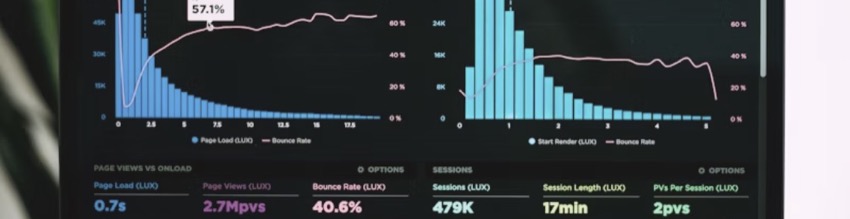
- 15% increase in monthly organic sessions vs previous year
- Reduction of 404s compared to previous site
- Increased Core Web Vitals metrics on new site
- Successfully mapped 300+ pages with 301 redirect plan
Challenge & strategy
The challenge
Migrating a legacy system with 300+ pages while mitigating the high risk of traffic loss and ranking volatility.
The strategy
I developed a structured migration framework to preserve link equity, optimize URL structure, and improve site performance without sacrificing organic visibility. Because of the website template changes, and a content pruning project that was getting rid of some old pages I had to collaborate closely with the Orkin content team, to decide which pages were valuable enough to keep, and which we could let either 404 (expire) or 301 (redirect) to a new destination.